
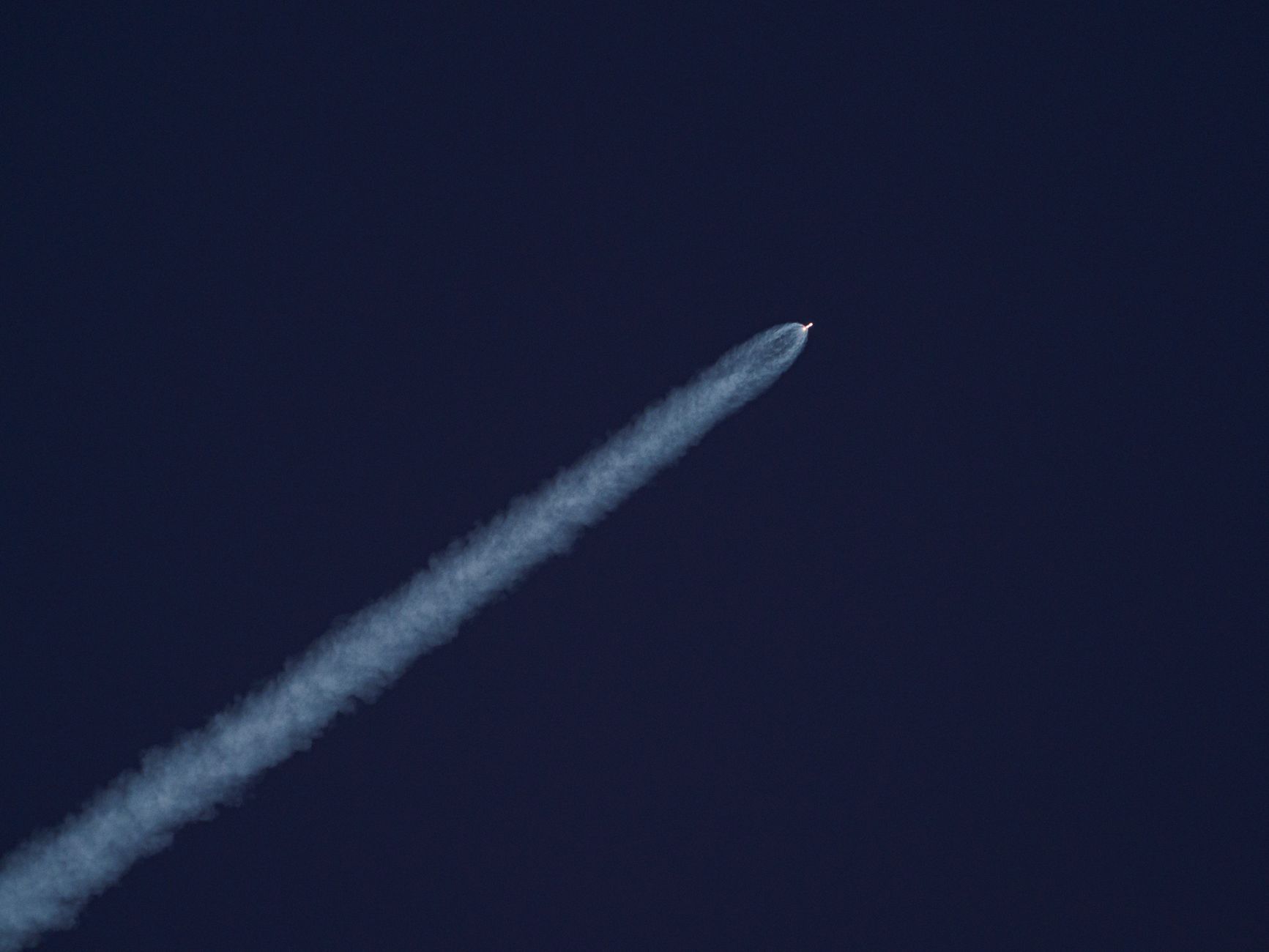
ISRO GSLV-F17 launch has successfully placed EOS-05 into orbit, marking a significant milestone for India’s space program. The achievement highlights ISRO’s commitment to advancing space technology.
Overview of the GSLV-F17 Launch
The recent ISRO GSLV-F17 launch has marked another significant milestone in India’s space exploration efforts. The launch, which took place on a clear morning, showcased the prowess of the Indian Space Research Organisation (ISRO) in executing complex missions with precision and reliability.
As the GSLV-F17 rocket lifted off from the Satish Dhawan Space Centre, it carried with it the Earth Observation Satellite EOS-05. This satellite is expected to enhance the country’s capabilities in monitoring natural disasters, agricultural patterns, and land use changes. The successful deployment of EOS-05 into its designated orbit has reaffirmed ISRO’s commitment to advancing technology for societal benefits.
The ISRO Chairman expressed elation over the launch, stating, “Successfully and precisely injected.” This remark highlights the meticulous planning and execution that has gone into the GSLV-F17 mission. Such successful launches not only demonstrate India’s growing capabilities in space technology but also contribute to international collaborations in satellite applications.
The GSLV-F17 launch stands as a testament to ISRO’s continuous innovation and dedication to exploring new frontiers in space. As the organization prepares for future missions, the success of this launch sets a solid foundation for upcoming projects and reinforces India’s position in the global space community.
Significance of EOS-05 in Space Missions
The successful launch of the GSLV-F17 marks a significant milestone in India’s space exploration efforts, particularly with the deployment of the EOS-05 satellite. This advanced Earth Observation Satellite plays a crucial role in enhancing the country’s capabilities in various fields.
The EOS-05 is designed to provide critical data for applications such as:
- Agriculture: The satellite’s ability to monitor crop health enables better yield predictions and resource management.
- Disaster Management: With its advanced imaging capabilities, EOS-05 assists in timely disaster response and management, helping to mitigate the impact of natural calamities.
- Urban Planning: The data collected aids in effective urban development and infrastructure planning by providing insights into land use and changes over time.
- Climate Monitoring: EOS-05 contributes to understanding climate patterns and supports initiatives aimed at combating climate change.
Moreover, the GSLV-F17 launch demonstrates ISRO’s commitment to leveraging technology for societal benefits. The precise injection of EOS-05 into its designated orbit showcases the reliability and efficiency of the GSLV program, further solidifying India’s position in the global space arena. As ISRO continues to push the boundaries of space exploration, the implications of the EOS-05 satellite for future missions are profound, opening new avenues for research and application.
ISRO’s Achievements in 2023
In 2023, the Indian Space Research Organisation (ISRO) has made remarkable strides in space exploration, highlighted by the successful launch of the GSLV-F17. This mission not only demonstrates ISRO’s engineering prowess but also reinforces India’s position in the global space sector.
The GSLV-F17 launch is a testament to ISRO’s commitment to advancing satellite technology. With the deployment of the EOS-05 satellite, India aims to enhance its capabilities in Earth observation. This satellite is designed to provide critical data for various applications, including agriculture, forestry, and disaster management.
- Successful Launch: The GSLV-F17 launch was executed with precision, showcasing ISRO’s ability to handle complex missions.
- Technological Advancements: The satellite carries advanced sensors that will improve data collection and analysis.
- International Collaborations: ISRO continues to collaborate with various international space agencies, enhancing global partnerships in space research.
- Future Missions: The success of GSLV-F17 sets the stage for future missions, including upcoming launches that will further explore the capabilities of Indian satellites.
As ISRO continues to push the boundaries of space technology, the GSLV-F17 launch marks another significant milestone, reflecting the organisation’s ongoing dedication to innovation and excellence in space exploration.
Future Prospects for Indian Space Exploration
The successful launch of the ISRO GSLV-F17 marks a significant milestone in India’s space exploration journey, paving the way for future advancements. As the country continues to strengthen its position in the global space arena, several promising prospects lie ahead.
One of the key areas of focus is the enhancement of satellite capabilities. With the deployment of EOS-05, ISRO has demonstrated its commitment to providing high-quality data for various applications, including agriculture, urban planning, and disaster management. Future missions are expected to leverage this data for more precise forecasting and efficient resource management.
Moreover, ISRO aims to expand its international collaborations. By partnering with other space agencies and private entities, India can tap into advanced technologies and share knowledge, further enhancing its capabilities. Collaborative projects may also lead to joint missions, fostering innovation and reducing costs.
In addition to enhancing satellite technology, ISRO is actively working on crewed spaceflight missions. The upcoming Gaganyaan mission aims to send Indian astronauts into space, showcasing India’s prowess and commitment to human space exploration.
As ISRO GSLV-F17 opens new avenues for research and exploration, the future of Indian space exploration appears bright, with limitless possibilities for scientific and technological advancements.
Technical Details of the Launch
The ISRO GSLV-F17 launch has demonstrated remarkable precision and reliability in its execution, marking another significant milestone in India’s space endeavors. The GSLV-F17 rocket is equipped with advanced technology that enhances its payload capacity and performance.
Key technical specifications of the GSLV-F17 include:
- Launch Vehicle Configuration: The GSLV-F17 features a three-stage launch vehicle design, combining solid, liquid, and cryogenic propulsion systems.
- Payload Capacity: It can carry payloads of up to 2,500 kilograms into geosynchronous transfer orbit (GTO), making it suitable for a variety of satellite missions.
- Cryogenic Upper Stage: The rocket’s cryogenic upper stage provides enhanced performance, allowing for more efficient orbital insertion.
- Launch Site: The GSLV-F17 was launched from the Satish Dhawan Space Centre, Sriharikota, a hub for India’s satellite launches.
The successful deployment of the EOS-05 satellite into orbit is a testament to the reliability of the GSLV-F17. The satellite, which is equipped with advanced imaging capabilities, is expected to contribute significantly to various applications including agriculture, forestry, and disaster management.
With this launch, ISRO continues to solidify its position in the global space community, showcasing its technological advancements and commitment to ongoing exploration.
Global Impact of India’s Space Program
The global impact of India’s space program, particularly through initiatives like the ISRO GSLV-F17 launch, has been transformative. As countries around the world increasingly recognize the importance of satellite technology for various applications, India has positioned itself as a key player in the international space community.
ISRO’s advancements have fostered collaboration with various nations, enhancing global partnerships in space exploration. The successful launch of EOS-05 not only showcases India’s technical prowess but also contributes to global efforts in areas such as climate monitoring, disaster management, and agricultural planning.
Furthermore, the GSLV-F17 mission underlines India’s commitment to providing cost-effective access to space. By offering competitive launch services, ISRO has attracted interest from numerous countries and private entities looking to deploy satellites. This trend reflects a growing recognition of the significance of India’s capabilities in the space sector.
Additionally, the GSLV-F17 launch exemplifies India’s dedication to advancing scientific research and technological innovation. As the world faces pressing challenges like climate change and resource management, the data collected from missions such as EOS-05 will play an essential role in informing policies and strategies on a global scale.
In conclusion, India’s space program, driven by successful missions like the ISRO GSLV-F17 launch, is making significant contributions to global space exploration and cooperation.
The ISRO GSLV-F17 launch marks another milestone in India’s space ambitions, showcasing the nation’s growing capabilities in satellite deployment. With the success of the ISRO GSLV-F17 launch, India strengthens its position as a key player in global space exploration.
Photo by Dirk Schuneman on Pexels
Read the original
Related stories
Trustees’ Association of India: Worst Cartelisation Case Exposed · Trustees’ Association of India: Wrong Cartelisation Proven · A Practical 2026 Site Collection Guide for Discovering Frequently Visited Websites and Popular Online Services